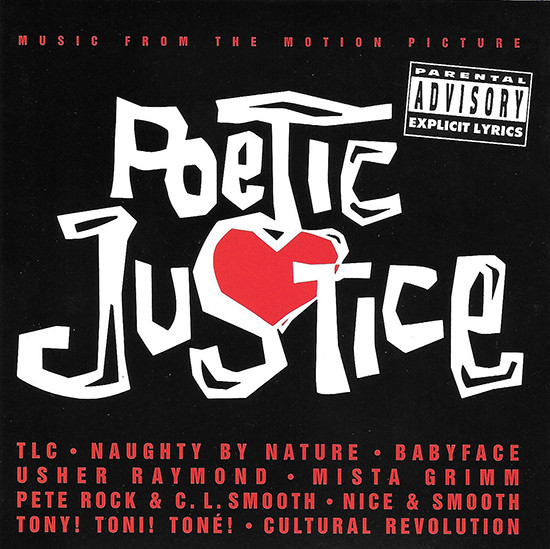
Released in the summer of 1993 to accompany John Singleton’s sophomore directorial effort, the Poetic Justice soundtrack stands as a crucial artifact of early nineties West Coast culture, capturing a moment when hip-hop was expanding its sonic and emotional vocabulary beyond the hard-edged gangsta narratives that had dominated the previous few years. Epic Soundtrax assembled a diverse collection that mirrors the film’s own romanticism and introspection, drawing from jazz, reggae, funk, and contemporary R&B to create a soundscape that feels distinctly Californian yet emotionally universal. The album arrived at a pivotal moment in popular music, when soundtracks were becoming essential promotional vehicles and cultural statements in their own right, following the groundbreaking success of New Jack Swing era compilations and the paradigm-shifting Juice soundtrack from the previous year.
The tracklist reflects a careful balance between established acts and emerging voices, with production that favors live instrumentation and organic grooves over the sample-heavy approach that characterized much East Coast production of the period. The jazz influences particularly stand out, with several tracks incorporating sophisticated chord progressions and instrumental breaks that recall the fusion experiments of the seventies while maintaining contemporary hip-hop sensibilities. This musical approach aligned perfectly with Singleton’s cinematic vision, which sought to present South Central Los Angeles as a community of depth, creativity, and romantic possibility rather than simply a war zone. The reggae influences scattered throughout the compilation also speak to the multicultural reality of Los Angeles neighborhoods, where Caribbean sounds had become deeply integrated into the West Coast aesthetic.
Several tracks address the complexities of masculinity and street life with a rawness that generated both critical acclaim and controversy upon release. The album does not shy away from the harsh realities of gang culture and violence, but presents these themes within a broader context of survival, aspiration, and the search for authentic connection. This thematic complexity distinguished the soundtrack from more one-dimensional gangsta rap releases, though it still sparked debates about representation and responsibility in popular music. The more confrontational tracks employ the aggressive posturing and explicit language that had become standard in West Coast rap, but the sequencing places these moments in conversation with softer, more vulnerable expressions of desire and longing.
The production throughout demonstrates the growing sophistication of hip-hop as a commercial art form, with tracks that could satisfy both radio programmers seeking crossover appeal and core audiences demanding street credibility. The funk-influenced numbers draw heavily from the Parliament-Funkadelic continuum that had always been central to West Coast hip-hop identity, while the smoother R&B tracks showcase vocal performances that would help define the mid-nineties aesthetic. The album’s willingness to embrace both swagger and sensitivity, both hard beats and gentle grooves, makes it a representative document of its moment, when hip-hop culture was grappling with its own contradictions and possibilities.
Commercially, the Poetic Justice soundtrack performed respectably without reaching the blockbuster status of some contemporary film music releases, but its cultural impact extended beyond chart positions. It contributed to the ongoing conversation about how hip-hop could serve cinematic narratives and how film could serve hip-hop’s expanding artistic ambitions. The album also documents a particular Los Angeles sound that would continue evolving throughout the decade, influencing everything from G-funk to neo-soul. For historians of nineties music, this soundtrack remains an essential reference point for understanding how hip-hop, R&B, and film intersected during a period of rapid cultural transformation.
TRACK BY TRACK
1. Get It Up
An uptempo funk-driven opener that establishes the album’s party-ready energy while incorporating live brass arrangements characteristic of early nineties West Coast production.
2. Indo Smoke
A laid-back celebration of cannabis culture set to slow-rolling beats and hypnotic basslines, reflecting the pervasive marijuana references in West Coast hip-hop of the era.
3. Well Alright
A reggae-influenced track that showcases the Caribbean musical traditions that had become integral to Los Angeles street culture and sound system aesthetics.
4. Call Me A Mack
A boastful narrative exploring masculine bravado and romantic conquest, delivered over smooth production that balances swagger with sophisticated musical arrangement.
5. Waiting For You
An R&B-leaning track that brings vulnerability and romantic longing to the forefront, demonstrating the soundtrack’s emotional range beyond typical hip-hop posturing.
6. One In A Million
A soulful mid-tempo number that explores themes of unique connection and devotion, featuring vocal performances that emphasize sincerity over technical flash.
7. Nite & Day
A jazz-inflected late-night groove that exemplifies the more sophisticated musical palette the soundtrack brings to contemporary hip-hop and R&B.
8. Poor Man’s Poetry
A reflective track that positions rap as artistic expression from marginalized communities, addressing class consciousness and creative survival with understated production.
9. I’ve Been Waiting
Another romantically-focused entry that emphasizes patience and genuine emotion, contributing to the soundtrack’s broader narrative about meaningful human connection.
10. Niggas Don’t Give A Fuck
A confrontational track that employs provocative language and aggressive posturing to address street mentality and survival attitudes, representing the harder edge of West Coast expression.
11. Definition Of A Thug Nigga
An explicit exploration of street identity and masculine codes that sparked discussion about representation in hip-hop, delivered with the uncompromising directness characteristic of gangsta rap.
12. I Wanna Be Your Man
A declaration of romantic intention that balances vulnerability with confidence, featuring production that draws from classic soul traditions while maintaining contemporary appeal.
13. Cash In My Hands
A track focused on economic aspiration and material success, reflecting the street capitalism narratives that were central to much early nineties hip-hop.
14. Never Dreamed You’d Leave In Summer
A cover of the Stevie Wonder composition that brings classic soul sensibility to the compilation, connecting contemporary R&B to its musical lineage.
15. Justice’s Groove
An instrumental piece that serves as both closing statement and mood-setter, featuring the jazz and funk elements that thread through the entire soundtrack experience.
VAULT CURIOSITIES
- The soundtrack was released during the highly publicized period when 2Pac and Janet Jackson were starring in the film together, marking one of 2Pac’s earliest major motion picture roles and contributing to his crossover appeal beyond core hip-hop audiences. The chemistry between the leads generated significant media attention that helped drive interest in the accompanying album.
- John Singleton specifically requested a musical approach that would counter stereotypical representations of South Central Los Angeles, insisting on including jazz and reggae elements to reflect the actual diversity of sounds present in the neighborhood rather than limiting the soundtrack to gangsta rap. This curatorial vision made the album feel more like a cultural portrait than a typical commercial compilation.
- The album’s mix of established acts and newcomers reflected Epic Soundtrax’s strategy of using film music to break new artists while also leveraging recognized names for commercial viability. Several tracks became stepping stones for artists who would achieve greater prominence later in the decade as the West Coast sound continued evolving.
- Unlike some contemporary soundtracks that featured music not actually heard in the film, the Poetic Justice album was carefully integrated with Singleton’s cinematic vision, with several tracks appearing in key scenes that established mood and character development. This integration helped establish higher standards for how hip-hop soundtracks could function as both standalone products and cinematic components.
Leave a Reply