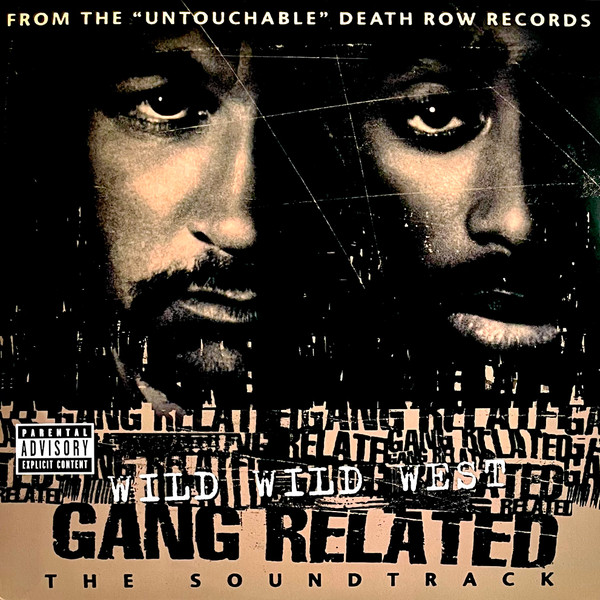
Gang Related: The Soundtrack arrived in October 1997 during one of the most tumultuous periods in Death Row Records’ history, serving as the musical companion to the crime drama film starring Tupac Shakur and James Belushi. Released posthumously following Shakur’s tragic death in September 1996, the album represents one of the final major projects to bear the Death Row imprint before the label’s decline, capturing both the creative peak and the beginning of the end for Suge Knight’s empire. The soundtrack stands as a significant artifact from hip-hop’s golden age, featuring an impressive roster that reads like a who’s who of West Coast rap during its commercial and artistic zenith.
The production throughout Gang Related showcases the G-funk aesthetic that defined Death Row’s sound, with heavy use of synthesizers, funk samples, and the slow, rolling basslines that became synonymous with mid-nineties West Coast hip-hop. The album benefits from contributions by several of the era’s most accomplished producers, creating a cohesive sonic landscape that manages to feel both cinematic and street-authentic. The musical backdrop perfectly complements the film’s themes of corruption, loyalty, and moral ambiguity, with production choices that evoke both the glamour and the danger of Los Angeles street life.
Lyrically, the soundtrack explores the interconnected themes of gang culture, systemic inequality, and survival in urban America. The various artists contributing to the project approach these subjects from multiple angles, with some tracks offering introspective meditation on the consequences of street life while others deliver more aggressive, confrontational perspectives. The album’s thematic range reflects the complexity of the film itself, which centered on crooked cops navigating the criminal underworld. Several tracks address issues of police brutality, institutional racism, and the cyclical nature of violence, topics that remained sadly relevant decades after the album’s release.
The roster assembled for Gang Related demonstrates Death Row’s formidable ability to mobilize talent during this period. The album features established stars alongside emerging artists, creating an intergenerational dialogue within West Coast hip-hop. The presence of multiple Death Row affiliated acts gives the project a cohesive aesthetic, while guest appearances from artists outside the immediate Death Row family add variety and broader appeal. The collaborative nature of several tracks creates a sense of community and collective storytelling that elevates the material beyond typical soundtrack fare.
Commercially, Gang Related: The Soundtrack achieved moderate success, though it was somewhat overshadowed by the tremendous output of Tupac-related material flooding the market in 1996 and 1997. The album arrived during a period when the hip-hop community was still mourning Shakur’s death while simultaneously grappling with the East Coast-West Coast rivalry that would claim another iconic artist, The Notorious B.I.G., in March 1997. This context colors the listening experience, as several tracks take on additional poignancy when considered against the backdrop of hip-hop’s most devastating losses.
The soundtrack’s legacy is complicated by its association with Death Row Records during the label’s decline. While the music itself represents high-quality work from talented artists, the album became part of the narrative about Death Row’s controversial business practices and the violence that seemed to follow the label. Nevertheless, Gang Related remains an important historical document, capturing a specific moment when West Coast hip-hop maintained its commercial dominance even as the cultural landscape was shifting. The album demonstrates the cinematic ambitions of hip-hop during this era, when soundtracks served as important vehicles for artistic expression rather than mere promotional tools.
Sonically adventurous yet accessible, Gang Related balances radio-friendly hooks with harder-edged material that appealed to core hip-hop audiences. The sequencing flows naturally between uptempo bangers and more contemplative mid-tempo tracks, creating an album experience that works independently of the film. This quality distinguishes it from many soundtracks that feel like collections of disconnected songs. The production values throughout are consistently high, reflecting both the resources Death Row could marshal during this period and the professional standards that defined the label’s output at its peak.
TRACK BY TRACK
1. Way Too Major
An assertive opening track that establishes the soundtrack’s ambitious tone, featuring production that emphasizes the West Coast sound Death Row popularized during the mid-nineties.
2. Life’s So Hard
A reflective track examining the struggles of urban existence, with production that balances melancholy melodies against harder drum programming.
3. Greed
Thematically aligned with the film’s exploration of corruption and moral compromise, this track addresses the destructive nature of materialism and ambition.
4. Get Yo Bang On
An energetic club-oriented track that showcases the more aggressive, party-focused side of the soundtrack’s stylistic range.
5. These Days
A contemplative piece reflecting on the changing landscape of street life and the pressures facing young people in urban communities.
6. Mash For Our Dreams
An aspirational track that balances street authenticity with messages about perseverance and achieving goals despite systemic obstacles.
7. Free ‘Em All
Addressing mass incarceration and the criminal justice system, this track reflects the social consciousness present throughout the album.
8. Staring Through My Rear View
One of several tracks featuring material recorded by Tupac Shakur before his death, this introspective piece became particularly poignant in its posthumous context.
9. Devotion
A track exploring themes of loyalty and commitment, whether to romantic partners, family, or the street code that governs certain communities.
10. I Can’t Fix It
An admission of helplessness in the face of systemic problems, this track acknowledges limitations while maintaining resilience.
11. Questions
A philosophical track that poses rhetorical inquiries about existence, purpose, and the contradictions of street life.
12. Hollywood Bank Robbery
Directly connected to a pivotal scene in the film, this cinematic piece blends sound effects with musical elements to create atmosphere.
13. Made Niggaz
Featuring Tupac Shakur alongside other Death Row artists, this track became one of the soundtrack’s most recognized songs and exemplifies the label’s collaborative approach.
14. Loc’d Out Hood
A geographically specific track that celebrates neighborhood identity while acknowledging the realities of gang-affected communities.
15. Gang Related
The title track serves as a thematic centerpiece, directly engaging with the film’s subject matter and exploring the complexities of gang affiliation.
16. Keep Your Eyes Open
A cautionary track about maintaining vigilance and awareness in dangerous environments, reflecting the paranoia that accompanies street life.
17. Lady
One of the album’s more romantic tracks, offering respite from the harder material while showcasing versatility in subject matter.
18. Take A Nigga Like Me
An assertive track that challenges stereotypes while acknowledging the authentic experiences that inform the artists’ perspectives.
19. What Have You Done?
A track that questions actions and consequences, fitting the film’s themes of moral accountability and the weight of choices.
20. What’s Ya Fantasy
A more sensual track that explores romantic and physical desires, providing tonal variety within the album’s sequencing.
21. A Change To Come
An optimistic piece despite its realistic assessment of current conditions, suggesting hope for transformation and improvement.
22. Freak Somethin’
A party-oriented track designed for club play, demonstrating the soundtrack’s commercial aspirations alongside its more serious content.
23. Feelin A Good Thang
A positive, upbeat track that celebrates good times and romantic connection, balancing the album’s heavier thematic material.
24. Lost Souls
The closing track offers a somber meditation on those who have been claimed by street violence or lost their way, providing a reflective conclusion to the album.
VAULT CURIOSITIES
- Gang Related marked one of the final major theatrical releases featuring Tupac Shakur, who completed filming before his death in September 1996. The film and its soundtrack took on additional significance as part of the massive wave of posthumous Tupac material that would dominate hip-hop for years following his passing.
- The soundtrack arrived during Death Row Records’ most chaotic period, as Suge Knight faced legal troubles and key artists began departing the label. Despite internal turmoil, the album demonstrated the label’s ability to assemble impressive rosters and maintain production quality even as its empire crumbled.
- Several tracks from Gang Related featured unreleased Tupac vocals that were strategically placed throughout the album, making it an essential release for completists and fans seeking every available recording from the prolific artist. These tracks were recorded during Tupac’s incredibly productive final years at Death Row.
- The film Gang Related itself was a critical and commercial disappointment, earning less than eight million dollars at the box office. However, the soundtrack maintained independent value as a musical project, outliving interest in the film and remaining a sought-after artifact from Death Row’s golden era for hip-hop collectors and historians.
Leave a Reply